
Mindfulness: The practice of bringing your full attention to the present moment with a sense of curiosity, awareness, and non-judgment.
4 min read

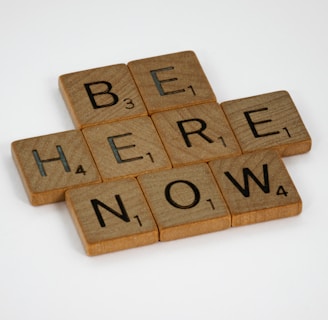
Living Present
Sometimes wellness means saying no to protect your energy or choosing to let go of past mistakes to fully embrace today. It often involves making difficult choices that prioritize self-care, understanding that each step forward is a step towards a healthier and more fulfilling life. Sometimes, we must evaluate our commitments and determine which are truly valuable and which drain our spirit. In our fast-paced world, this might mean saying no to social engagements that don't align with your current priorities, or letting go of unhealthy relationships that weigh you down. Embrace the freedom that comes with such choices. Allow yourself to relish in the present moment, to celebrate small victories, and to acknowledge the journey you've undertaken. Taking these steps empowers you to create space for new opportunities and experiences that align with your vision for a better tomorrow. It is crucial to engage in mindfulness practices, whether it's through meditation, journaling, or simply spending time in nature, allowing yourself to reconnect with your core values and desires. Don't hesitate to reflect on what truly matters to you and to align your daily actions with those priorities. Remember that living in the present is not just a fleeting idea but a continuous practice, one that inspires you to cultivate happiness and contentment, regardless of the circumstances surrounding you. Each day offers a new opportunity to reset your intentions and focus on your personal growth journey.
Mindfulness is a powerful practice that can help individuals cultivate awareness, reduce stress, and enhance overall well-being. For your blog visitors eager to explore mindfulness techniques, here are several effective methods they can try:
1. Mindful Breathing One of the simplest ways to begin practicing mindfulness is through mindful breathing. Encourage your readers to find a quiet space, sit comfortably, and focus on their breath. They can take deep breaths in through the nose, feeling the abdomen expand, and slowly exhale through the mouth. Suggest that they pay attention to the sensations of breathing, the rise and fall of the chest, or the feeling of air passing through their nostrils. If their mind begins to wander, gently guiding their focus back to their breath is essential.
2. Body Scan Meditation This technique involves paying close attention to different parts of the body, promoting relaxation and awareness. Encourage visitors to lie down comfortably and close their eyes. They can then slowly focus on each body part, starting from the toes and moving upward to the head. They might notice any tension or sensations in each area, allowing them to release stress and connect with their physical presence.
3. Five Senses Exercise A great way to ground oneself in the present is through the five senses exercise. Ask your visitors to pause and take a moment to observe their surroundings using all five senses: - Sight: What do they see? - Sound: What do they hear? - Smell: What do they smell? - Touch: What do they feel? - Taste: If they have something to taste, what flavors are present? This practice can help individuals connect with the present moment and increase awareness of their environment.
4. Mindful Walking Suggest that visitors incorporate mindfulness into their walks. While walking, they can focus on the sensation of their feet touching the ground, the rhythm of their breath, and the sights and sounds around them. Encourage them to slow down their pace and really experience the act of walking without distractions. This can transform a simple stroll into a meditative experience.
5. Journaling Encourage your readers to set aside time for mindful journaling. They can write down their thoughts, feelings, and experiences in the moment. Suggest prompts like "What am I grateful for today?" or "What emotions did I experience today?" This practice fosters self-reflection and mindfulness, allowing them to process their thoughts and emotions.
6. Meditation Apps Recommend meditation apps that guide users through various mindfulness exercises. Apps like Headspace, Calm, or Insight Timer offer a range of guided meditations for beginners and advanced practitioners alike. This can make the practice more accessible and provide structure for those new to mindfulness.
7. Mindful Eating Eating with intention can be a transformative experience. Suggest that visitors practice mindful eating by savoring each bite of their food, paying attention to the flavors and textures, and eating slowly without distractions such as television or smartphones. This practice can enhance their relationship with food and promote healthier eating habits.
8. Gratitude Practice Encourage your readers to cultivate gratitude through mindfulness. They could take a few moments each day to reflect on three things they are grateful for. This can be done mentally, verbally, or in writing and helps to shift focus from stressors to positive aspects of life.
9. Guided Visualization Introduce the idea of using guided visualization to enhance relaxation. Visitors can find visualizations focused on themes such as peace, happiness, or healing. This technique involves imagining a serene scene or scenario, which can help them relax and alleviate stress.
10. Mindful Technology Use Suggest that during their daily technology use, readers practice mindfulness by taking moments to become aware of how they feel when using their devices. Encourage them to notice their emotional responses and to take breaks from screens to engage with the physical world around them. These mindful techniques can be easily incorporated into daily routines, allowing your blog visitors to cultivate a more present, peaceful mindset. As they practice these techniques, they may notice improved mental clarity, emotional resilience, and a deeper connection to the world around them.